
Guide · 8 articles
Gym, studio and club marketing that keeps members coming
Someone who has never set foot in your gym, studio or club has a long list of small questions: what to bring, where to go, whether they will be the only beginner. Members have different ones: why has the class moved, is there room, what changed. These guides cover both groups. They are for owners and managers of gyms, yoga and Pilates studios, climbing centres, spas and sports clubs who want people to feel informed before they arrive and glad they came afterwards.
Welcome the person who has never been
First visits go better when the information was clear beforehand. Climbing centre information for first-time visitors shows how to describe booking, induction and what to bring, and where to send safety questions, without turning marketing copy into instruction. Keep essential requirements available before the visit, not only once someone is on the premises.
Promoting a beginner yoga course with useful detail does the same for a course: dates, session length, what is provided and what happens after booking. For clubs, tennis club open days with a clear booking route covers running one, including what happens if the weather changes the plan.
Keep members informed when things change
Nothing irritates a member like turning up to a class that moved. Communicating gym timetable changes clearly argues for one source of truth, so the poster, the email and the web page never disagree.
When a class is full, explaining Pilates studio waiting lists to clients helps you say exactly what joining the list does and doesn't mean, how people will be told when a place opens and how to leave the list.
Follow up after the visit
A thank-you after a spa day is easy to get wrong by assuming too much. Spa day follow-up emails that respect the visit shows how to say thanks and offer one next step without presuming what the guest had.
For clubs with a restaurant or function room, golf clubhouse marketing for non-member visitors is about saying who can use what, and how to book it, so a local diner doesn't have to wonder whether they are allowed in.
Put the essentials where people can find them before they arrive
Climbing centre information for first-time visitors is clear that requirements belong before the visit: customers shouldn't need to reach the building or connect to Wi-Fi to discover what to arrange. Use the centre's approved wording rather than improvised instruction, and send safety and suitability questions to qualified staff. The beginner yoga guide applies the same thinking to commitment, saying whether people are booking the whole course or single sessions and where the missed-session arrangements are written.
Say exactly what a message or list means
A waiting list is the clearest case. Explaining Pilates studio waiting lists suggests plain wording such as "Your request is recorded. You do not yet have a place in this session", a stated way to leave the list and different language for waiting-list and class confirmations. Spa day follow-up emails take the same care about assumptions: "Thank you for visiting" works across several kinds of visit, and a Wi-Fi connection doesn't tell you which treatment someone had.
Say who can use what
Golf clubhouse marketing shows why a general "visitors welcome" can't carry the whole message. State which dining and event facilities are open to non-members, give the right booking route for each and use the club's agreed wording for conditions such as a dress policy, so staff aren't explaining it at the door. Tennis club open days make a similar point about bookings: say whether a place guarantees a particular activity or only entry to the day.
Measure attendance with the records that hold it
A member can train without joining your Wi-Fi, and a visitor can connect while waiting for someone else. Gym member engagement uses check-in and booking records for attendance and treats Wi-Fi as context. The timetable guide agrees that sign-ins don't show who took part in a class, and adds that a repeated email can't fix an unchanged poster or an outdated link, so correct the source first.
Where guest Wi-Fi fits
People connect to your Wi-Fi while they wait for a class or finish a coffee, so the page they see can carry the timetable, the beginner course and the booking link. Guests who choose to hear from you can get an automatic follow-up email. The member engagement guide shows how a studio might use the page to support the next visit.
The guide to guest Wi-Fi marketing covers the basics, and Margovy for gyms and studios shows the page.
Every guide in this topic
- Gyms and clubs
2 min read
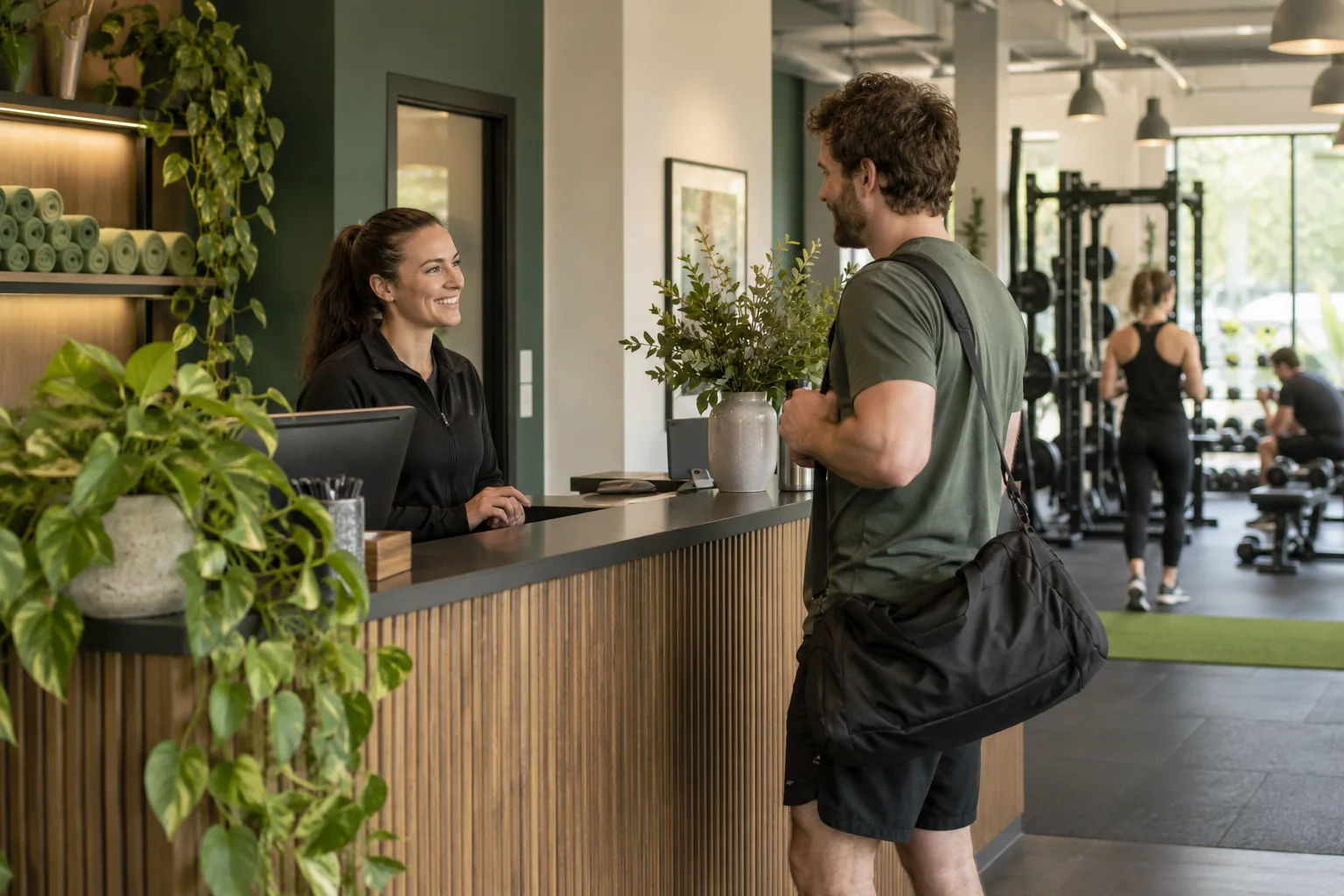
Gym member engagement: use guest Wi-Fi to support the next visit
After a first gym visit, a new member still has decisions to make. They need to choose when to return and understand what to do when they arrive.
Read the guide - Gyms and clubs
2 min read
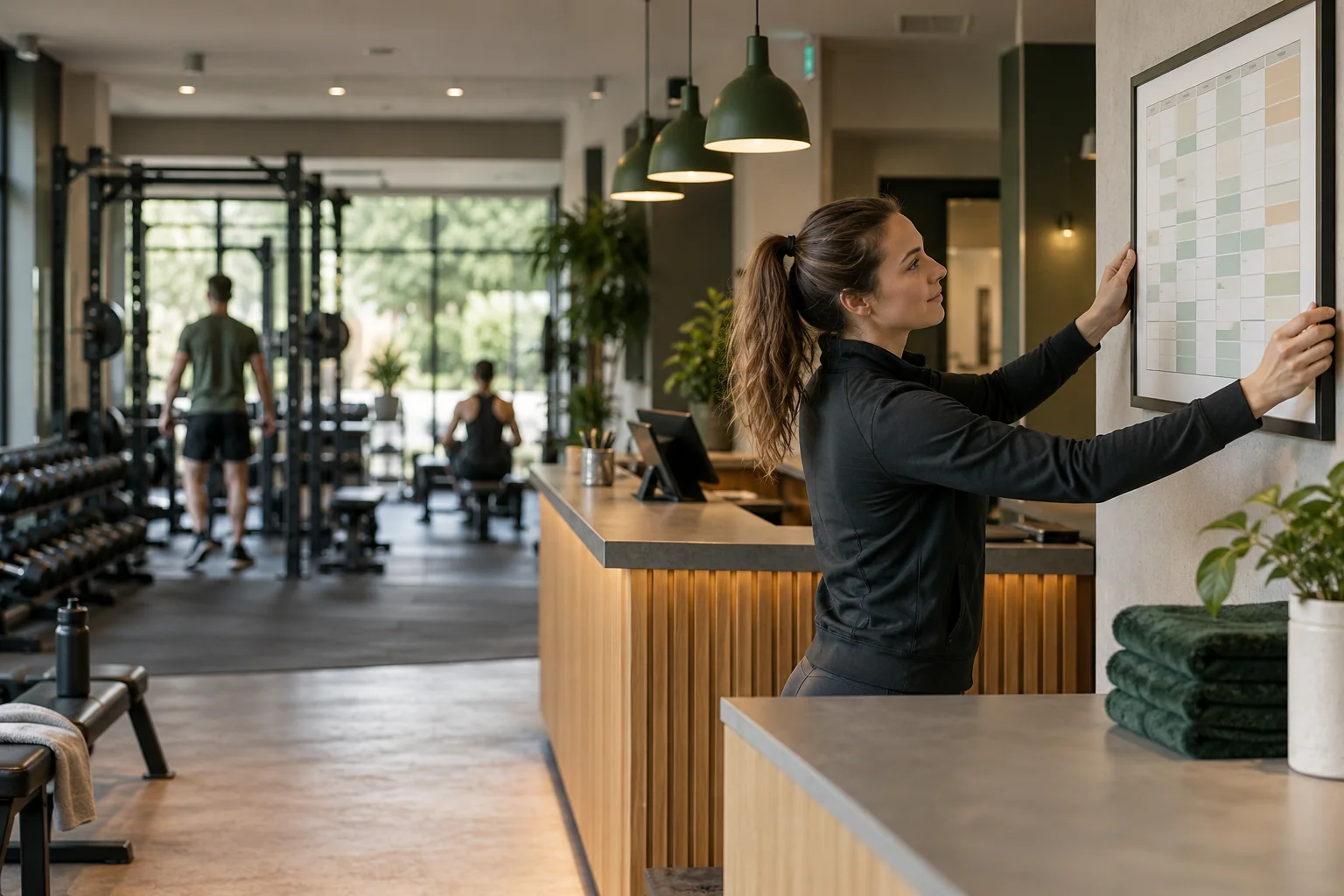
Communicating gym timetable changes clearly
A class can move by half an hour while an old timetable remains on a reception poster or welcome email. Members then receive two plausible answers about the same session.
Read the guide - Gyms and clubs

2 min read
Promoting a beginner yoga course with useful detail
Someone considering a first yoga course may have questions they would never ask in a busy reception area. They might be unsure what to bring or whether missing a session means falling behind.
Read the guide - Gyms and clubs
2 min read
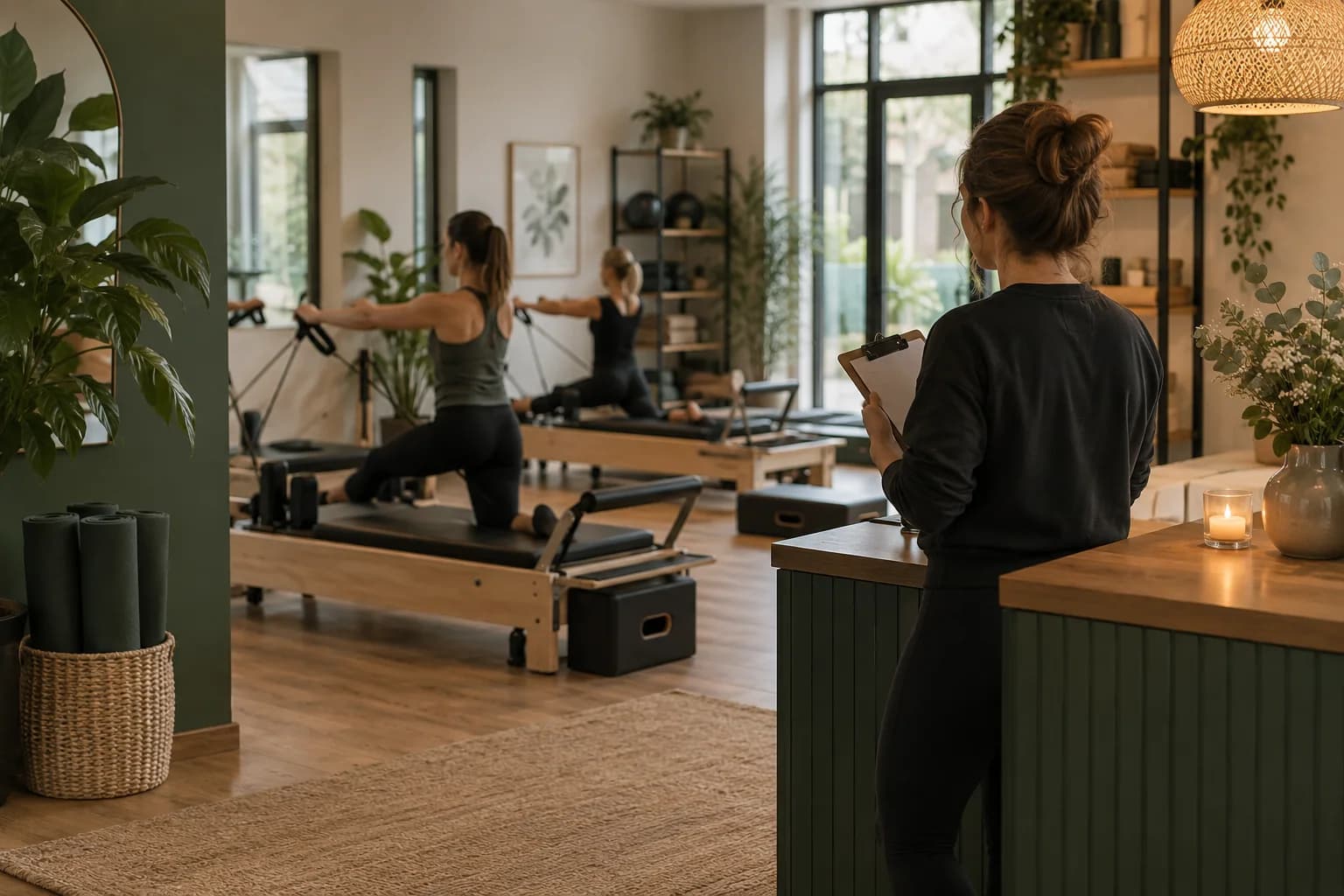
Explaining Pilates studio waiting lists to clients
A full Pilates class does not necessarily end the customer's interest. They may be happy to wait for a place if they understand what joining the waiting list means.
Read the guide - Gyms and clubs

2 min read
Climbing centre information for first-time visitors
First-time visitors need to understand what they must arrange before coming to a climbing centre. A general admission button may leave questions about induction and equipment unanswered.
Read the guide - Gyms and clubs

2 min read
Spa day follow-up emails that respect the visit
A spa day follow-up email should be recognisable as a message from the venue the customer visited. It should also be careful about what it assumes.
Read the guide - Gyms and clubs

2 min read
Golf clubhouse marketing for non-member visitors
A clubhouse may welcome non-members for lunch or events while its public information reads as though every visitor already belongs to the club.
Read the guide - Gyms and clubs
2 min read
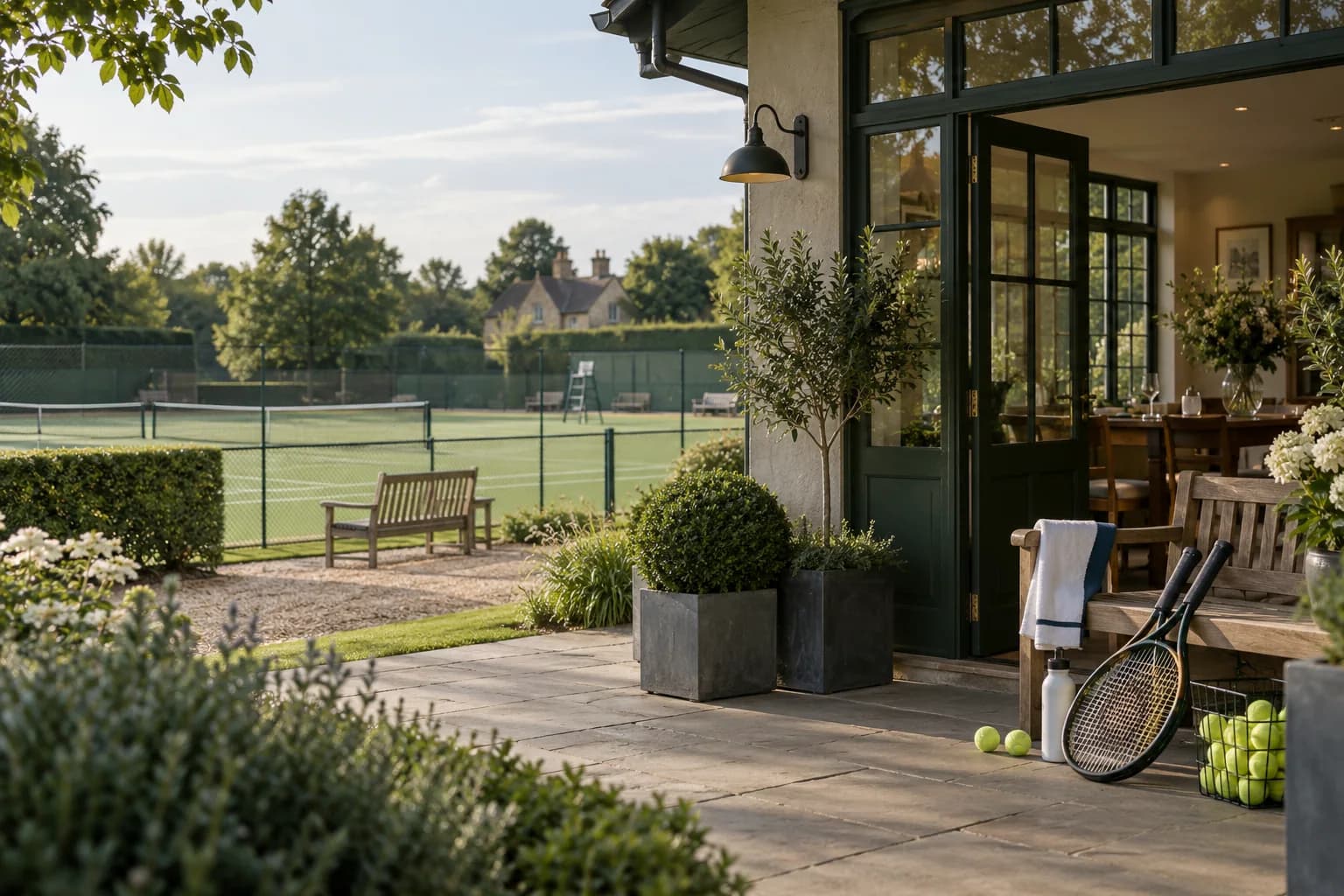
Tennis club open days with a clear booking route
An open day should help a prospective visitor understand what the club offers and how to try an appropriate session.
Read the guide
See it in a venue like yours
Margovy turns your guest Wi-Fi into a branded page and a customer list you own.
More guides
Build your customer list.
Create your account, make your page and choose a plan. The box is included.
No contract, cancel any time.
Let’s get you started.
Make your page, choose a plan and we post you the box.
Build your customer listAlready have an account? Log in